We focus on the work that finance teams feel every month: spreadsheet reliability, consolidation/report packs, and finance-to-BI data readiness. Engagements are scoped to produce a clear handoff—so the result keeps working after we're gone.
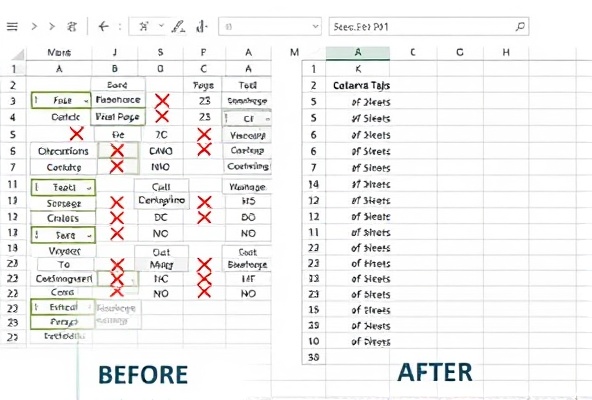
Excel Workbook Cleanup & Stabilization
Best for: high-impact workbooks used in close, forecasting, headcount/opex planning, variance analysis, and management reporting.
Common problems
- • Hidden rows/columns and "heroic" formulas only one person understands
- • Circular references and hard-coded values mixed in with logic
- • Poor input/output separation; no clear data structure
- • Manual adjustments and version chaos (v2, v3_final, v3_final_REAL)
- • No tie-out checks or auditability
What we deliver
- • Refactored workbook with clear inputs, logic, and outputs
- • Documentation: model map, formula guide, refresh steps
- • Control checks and reconciliation tie-outs
- • Version control practices and change log
- • Walkthrough and support for handoff
Typical sprint: 2–4 weeks (depending on size/complexity)
Consolidation & Reporting Packs
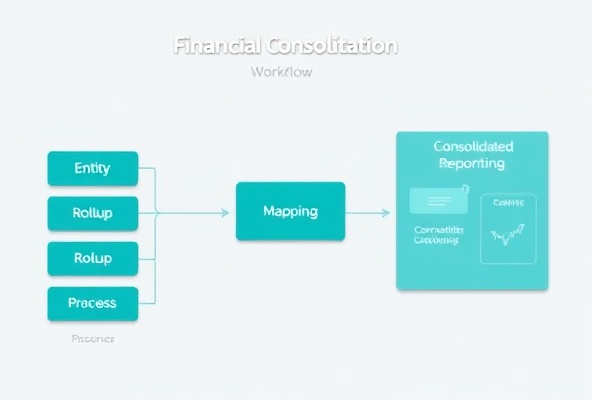
Best for: rollups across entities/departments, recurring report packs, and close-cycle deliverables.
Common problems
- • Multiple mapping tables and reconciliation steps living in different workbooks
- • CoA misalignment and intercompany transaction errors
- • Manual rework when entities or departments change
- • Close timeline pressure due to version conflicts and delays
- • Poor auditability—hard to explain where numbers come from
What we deliver
- • Unified mapping and consolidation framework
- • Automated rollup and intercompany reconciliation
- • Report pack templates with refresh automation
- • Change control and audit trail for close
- • Documentation and runbook for quarterly/monthly refresh
Typical sprint: 3–6 weeks (depending on scope)
Finance Data Integration → BI
Best for: finance teams that want reliable datasets powering Power BI/Tableau or consistent management reporting.
Common problems
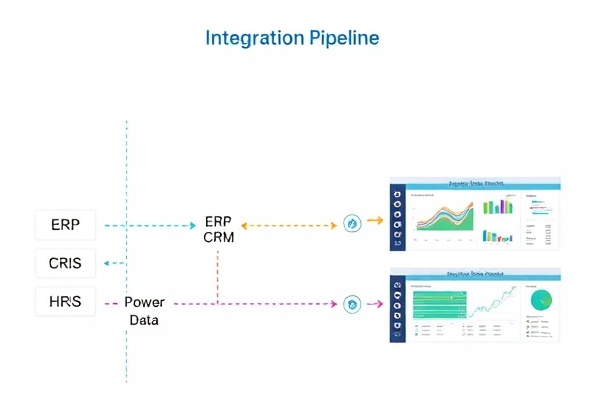
- • ERP/CRM/HRIS extracts land in Excel or ad-hoc SQL queries
- • Manual reconciliation steps before each BI refresh
- • BI reports show different numbers than operational systems
- • No clear data lineage or documentation
- • Lack of data governance and refresh reliability
What we deliver
- • Automated data pipeline from source systems to analytics layer
- • Standardized dimension (GL account, cost center, entity) tables
- • Fact tables ready for Power BI/Tableau (actuals, forecasts, headcount)
- • Reconciliation and validation checks built into the pipeline
- • Documentation: data dictionary, lineage, and refresh runbook
Typical sprint: 4–6 weeks (depending on data volume and complexity)
Delivery approach
How engagements run (simple + enterprise-safe):
- • Week 0–1: Intake + mapping (what exists today, where it breaks, what done means)
- • Build phase: refactor + standardize + controls + documentation
- • QA + handoff: reconciliation checks, walkthrough, and runbook delivery
- • Optional: short stabilization support window after handoff